The Americas · Mexico & Central America · 3 min read
Vanilla: From Totonac Orchids to Your Kitchen
A hand-pollinated orchid pod, first grown in Mexico, and almost always replaced today by a lab-made copy.
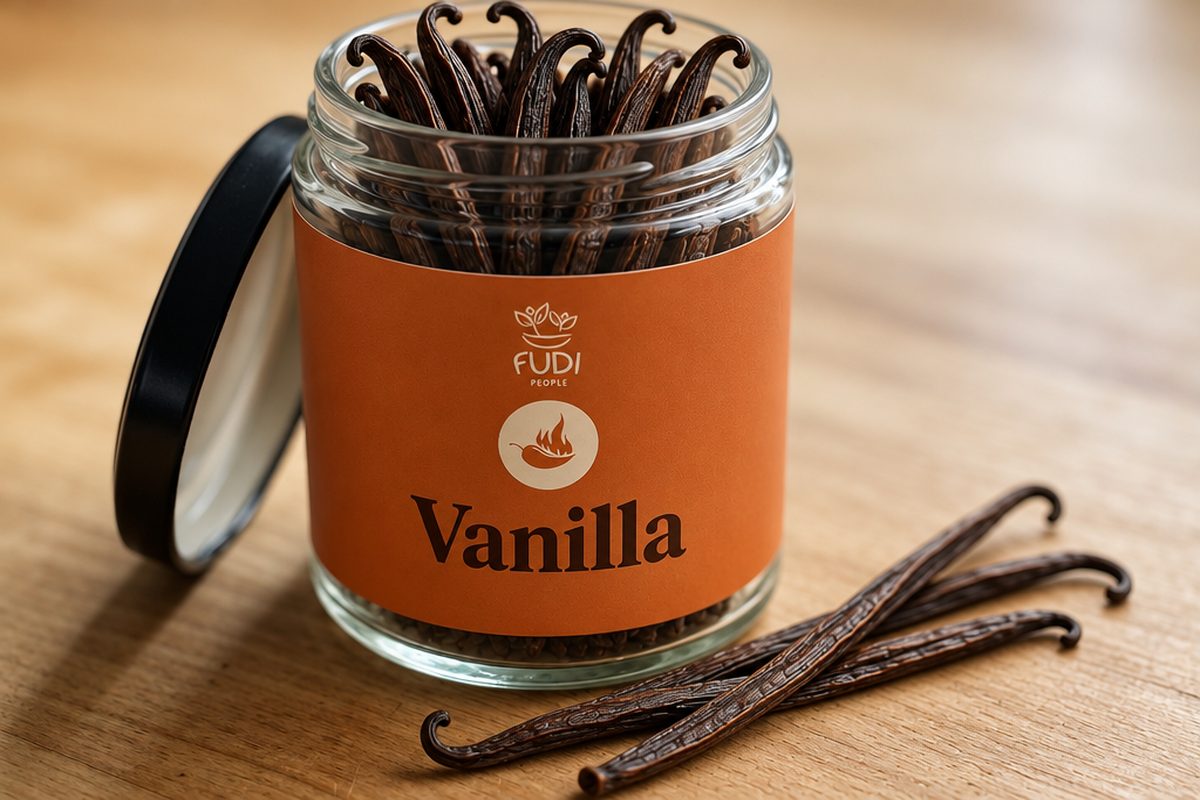
Vanilla is the pod of an orchid, and it is one of the most labour-intensive crops in the world. The flower opens for only a short time, and it has to be pollinated by hand.
A Mexican beginning
The Totonac people of Mexico's eastern coast were growing vanilla roughly a thousand years ago, prizing it first for its scent. The Aztecs later used it to flavour cacao drinks. When Cortés was served such a drink in 1519, he took vanilla back to Spain together with cacao. For centuries Mexico held a monopoly, because the plant is pollinated naturally only by a particular native bee. That ended in the 1830s, when a Belgian botanist worked out how to pollinate it by hand, and vanilla spread across the tropics. In 1874 German chemists made vanillin synthetically, and today the vast majority of vanilla-flavoured food uses the lab version rather than the real pod.
Become a member to keep reading
Join to unlock every story, recipe and origin trail — and get money off the blends.
Written by Kofi, founder of Fudi People.