South Asia · North India · 3 min read
Mustard: Heat That Waits for Water
Mild, hot or aromatic depending on the seed, mustard has no heat at all until you crush it and add water.
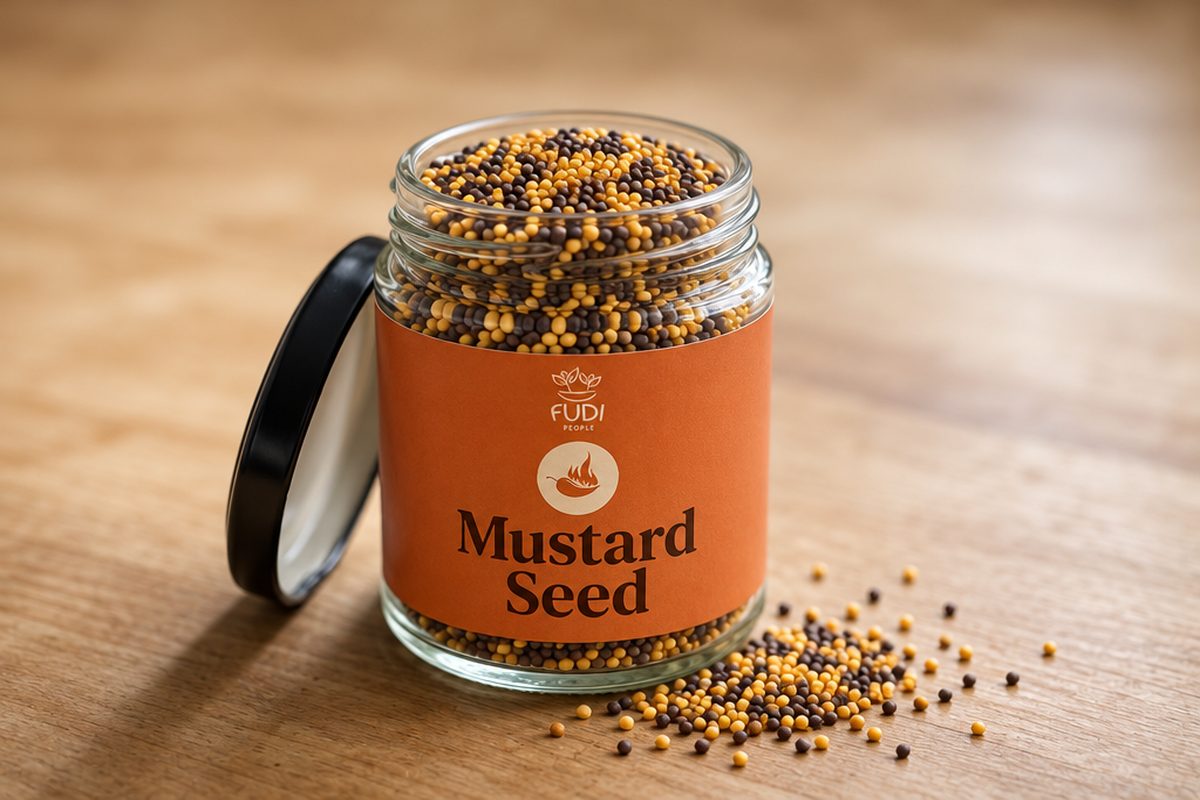
A mustard seed is quite bland until you break it. What happens next is one of the neatest tricks in the spice rack.
Wine, honey and flour balls
Mustard seeds have been found at prehistoric sites from China to Europe. The earliest records of mustard as a condiment come from the ancient Greeks and Romans, who chewed the seeds, ground them, or steeped them in wine. By the Middle Ages white mustard had reached India and China along Arab trade routes, while brown mustard had travelled overland from its native India to Europe. One old way of transporting mustard powder was to mix it with flour and other spices and shape it into balls with honey, wine or vinegar. The name is thought to come from the Latin mustum, the young wine once used to turn ground seeds into a paste.
Become a member to keep reading
Join to unlock every story, recipe and origin trail — and get money off the blends.
Written by Kofi, founder of Fudi People.