The Americas · South America · 4 min read
Chilli: How a Mistake Conquered the World
Named after pepper by mistake, the chilli travelled from the Americas to every continent and rewrote the world's food.
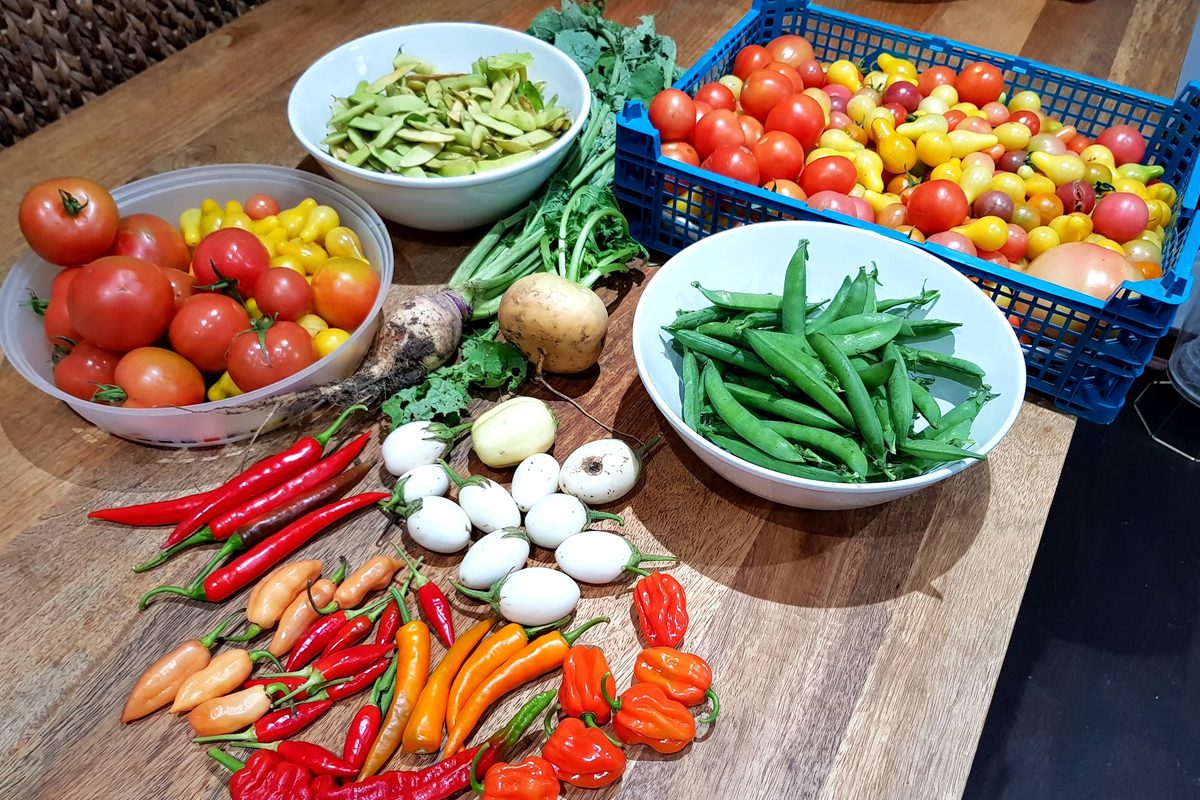
Chilli is the heart of Fudi People, and it is a newcomer. Before 1492, no cook in Africa, India, China or Thailand had ever tasted one.
From the Americas to everywhere
Evidence suggests people were growing chillies in South America as early as 5000 BCE. The Spanish conquistador Hernán Cortés reported that the Aztecs grew a huge range of chillies, for ritual use and to flavour chocolate drinks. Columbus brought the new spice back to Spain at the end of the fifteenth century. He wrongly believed it was related to peppercorns because of its heat, which is why we still call it pepper. Portuguese traders carried it to their colony in Goa and on to trading posts across Asia and Africa, where chillies quickly replaced black pepper as the hot spice of choice. In 1912 the pharmacologist William Scoville devised the Scoville scale to measure how hot they are, which labs have since largely replaced with more accurate measures.
Become a member to keep reading
Join to unlock every story, recipe and origin trail — and get money off the blends.
Written by Kofi, founder of Fudi People.