Middle East · Lebanon · 3 min read
Carob: The Original Carat
A famine food that gave us the word 'carat' and tastes like milk chocolate without the bitterness.
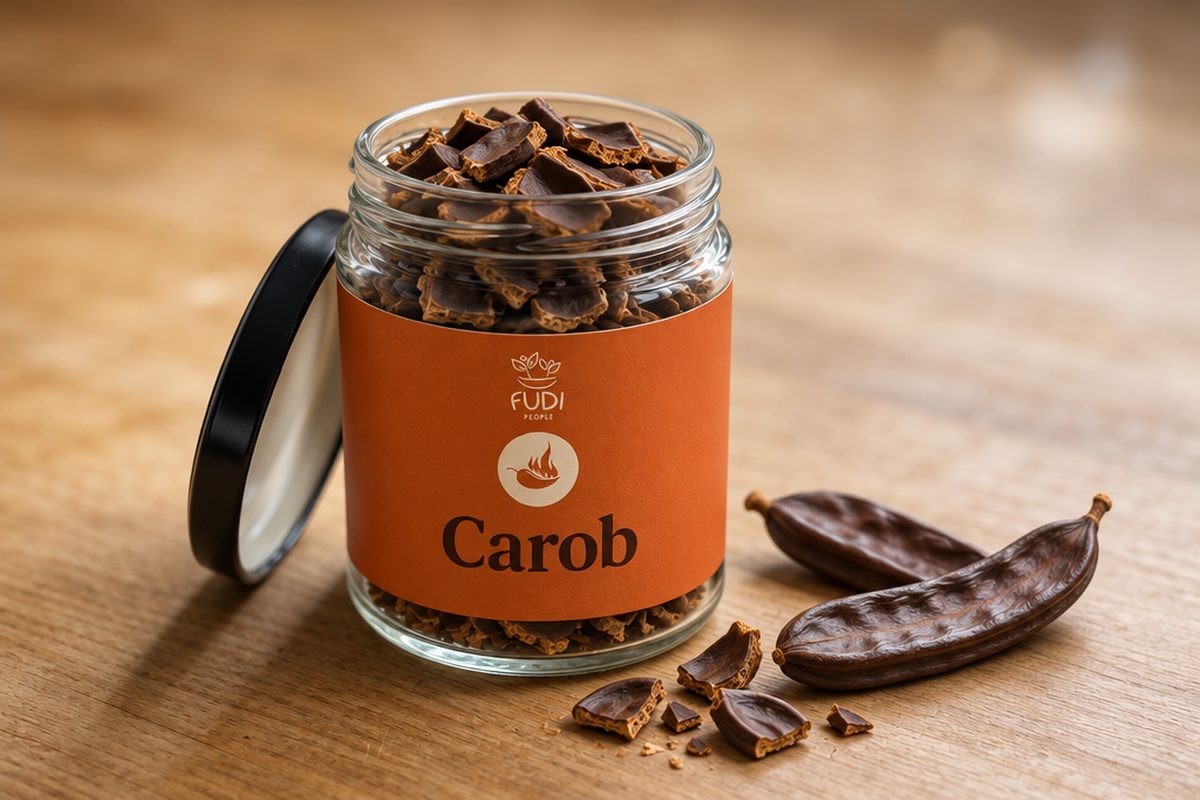
Carob has been called a chocolate substitute for years, which undersells it. It has its own sweet, warm, caramel-like flavour and an old history.
Bread for the hungry
Carob has fed people and animals since ancient times. The tree fruits even in poor soil, which made it a lifesaver in famines, and it is mentioned in the Bible as animal fodder. It is called "St John's bread" and "locust bean" because the "locusts" John the Baptist ate in the desert were once thought to be carob pods, though most scholars now think they were insects. The word "carat" comes from the Greek name for the carob tree, keration, because Arab jewellers once used carob seeds as a unit of weight for gold. Arabs carried carob west and the Greeks took it further. It reached Spain and Portugal by the seventeenth century and later spread to the New World.
Become a member to keep reading
Join to unlock every story, recipe and origin trail — and get money off the blends.
Written by Kofi, founder of Fudi People.