Middle East · Turkey · 3 min read
Bay Leaf: Victory in a Stew
The laurel of Roman victors is also the quiet leaf holding your soup together.
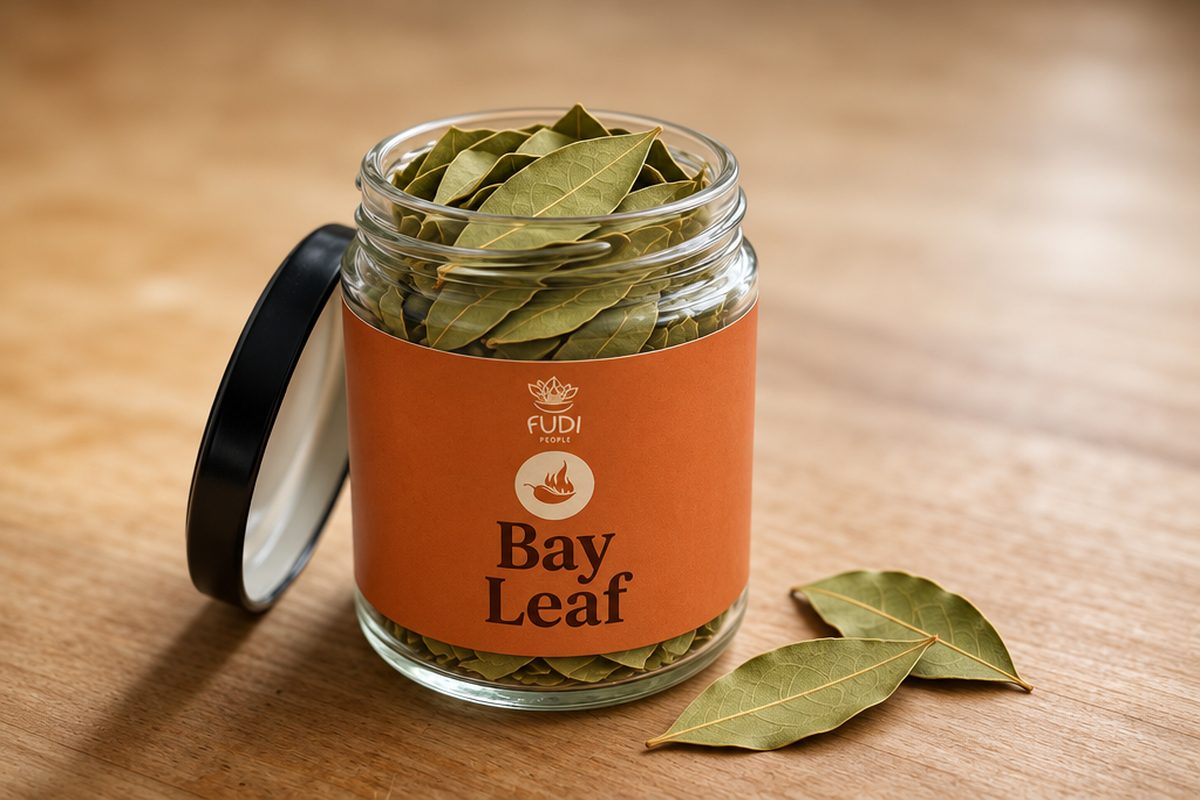
A bay leaf does not taste like much on its own, and yet a stew without one feels like something is missing. It has been doing that job for over two thousand years.
Laurels, plague and bouquet garni
The ancient Greeks and Romans saw bay as a symbol of victory and high status, which is where the laurel wreath comes from. Romans flavoured roast meats with the leaves and believed a bay garland could drive off evil spirits. The tree spread from Asia Minor across the Mediterranean in ancient times, and had reached all of Europe by the Middle Ages. It kept its spiritual reputation: in the seventeenth century the English herbalist Nicholas Culpeper wrote that a bay tree would protect a home from harm, and branches were burned in public places during outbreaks of plague.
Become a member to keep reading
Join to unlock every story, recipe and origin trail — and get money off the blends.
Written by Kofi, founder of Fudi People.