Middle East · Iran · 3 min read
Asafoetida: The Stinky Spice That Tastes of Onion
A pungent tree resin that smells fierce in the jar and turns sweetly savoury in hot oil, loved in vegetarian India.
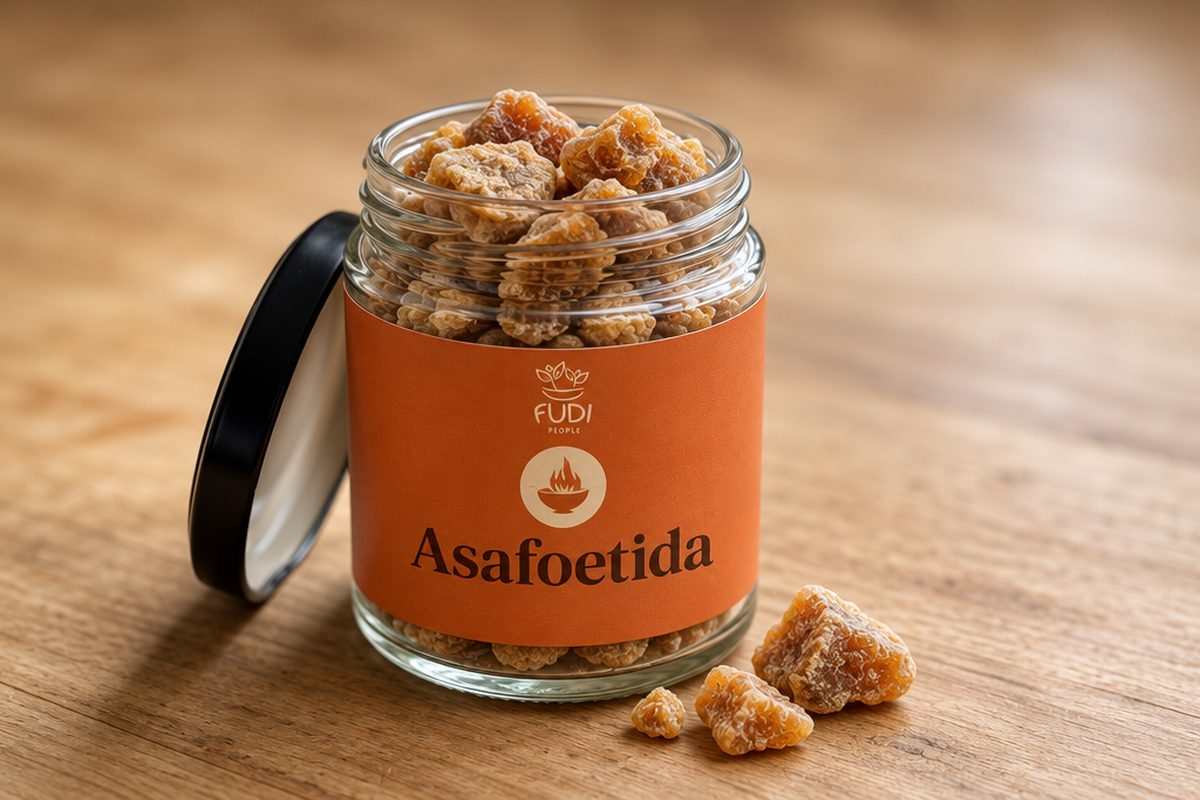
Asafoetida smells terrible in the jar. Heat it in oil and it turns into something like fried onion and garlic, the secret behind many Indian vegetarian dishes.
Alexander's soldiers and the lost silphium
Asafoetida was found in Persia in the fourth century BCE by the soldiers of Alexander the Great, who mistook it for silphium, a highly prized ancient spice from a similar plant that is now extinct. They took it back to Asia and the Mediterranean, where Greeks and Romans used it as a silphium substitute, both for seasoning and for health. It appears throughout Apicius, the first-century Roman cookbook. After Rome fell it never became popular again in Europe, though it resurfaces in the Baghdad Cookery Book of 1226. In the sixteenth century the Mughals reportedly brought it to India, where it became indispensable in vegetarian and Ayurvedic cooking.
Become a member to keep reading
Join to unlock every story, recipe and origin trail — and get money off the blends.
Written by Kofi, founder of Fudi People.